
The best CRM for coaches is one that makes relationship maintenance easy — keeping you connected to past clients who might return, referral partners who send new clients your way, and prospects who aren’t quite ready yet but will be. For life coaches and business coaches, revenue comes almost entirely from word of mouth. The right CRM turns that word of mouth into a system.
Key Takeaways:
|
|---|
Why Coaches Need a CRM (And Why Most CRM Tools Are Wrong for Them)
Coaching practices grow through relationships, referrals, and reputation. Rarely through cold outreach. Rarely through advertising. Almost always through someone saying “I worked with this coach and it changed how I operate — you should talk to them.”
That referral-first growth model is powerful. But it requires one thing that most coaches don’t have: a systematic way to stay in touch with the people who generate referrals.
Most coaches operate with a mental list of past clients and a vague sense that they should “stay in touch” — but without a system, staying in touch means remembering to email someone when you happen to think of them, which is not a system. It’s luck.
The standard CRM tools don’t fix this. Salesforce, HubSpot, Pipedrive — these are built for sales pipelines. They track deals through stages and help teams forecast revenue. A solo coaching practice doesn’t need deal stages. It needs a way to know that the client you worked with 8 months ago hasn’t heard from you in 10 weeks.
What a Coaching CRM Should Do
Track past client relationships. Every coach should maintain a record of past clients: when you worked together, what transformation they experienced, what their situation was when you finished. This context is what makes reconnecting feel personal and meaningful — not like you’re following a script.
Remind you to stay in touch. The single most valuable feature of any coaching CRM is proactive reminders. “You haven’t connected with [past client] in 60 days” should prompt a genuine check-in — not a pitch, just a warm touch to show you’re still thinking of them.
Manage referral sources. Who are the people in your network most likely to send you clients? Other coaches in adjacent specialties, HR professionals, therapists, executive coaches if you’re a life coach, training departments. These referral sources need regular attention.
Capture new contacts at events. Many coaches do their best networking at workshops, conferences, and professional development events. You need a quick way to capture new contacts with context right after a conversation — while the details are still fresh.
Be simple enough to actually use. If your CRM requires 20 minutes to add a contact or generates 15 notifications a day, you’ll stop using it.
The Best CRM for Coaches in 2026
The best crm for coaches is one that feels simple, personal, and built around relationships—not pipelines and sales pressure.
Regards — Best Overall for Coaching Practices
Regards is designed for exactly the kind of practice-building relationship management that coaches need. It’s a personal CRM built around warm network maintenance — not sales pipelines, not team management, not deal forecasting.
How coaches use Regards:
After a client completes a program: Add a detailed note to their contact record — what you worked on, what breakthroughs they had, what they’re focused on going forward. Set a reminder to check in 60 days after they complete — when the initial post-program glow has settled and they’re navigating implementation on their own.
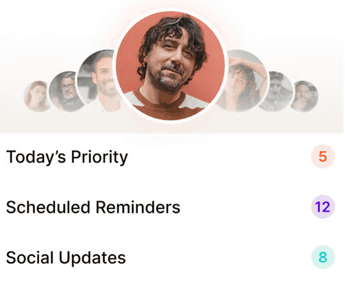
Staying connected to past clients: Regards automatically surfaces past clients you haven’t connected with in a while. A quick, personal check-in — “How’s the progress on [goal we worked on]?” — keeps the relationship warm and often generates referrals or renewal conversations.
Building a referral network: Tag your best referral sources in Regards and set a monthly cadence of touchpoints. These can be brief — a relevant article, a quick catch-up call, a check-in about their business. Consistency matters more than intensity.
Event capture: Scan a new contact’s card immediately after meeting them at a professional development event. Drop a 30-second voice note about the conversation. Regards transcribes it and you have a complete first record before you’ve moved on to the next conversation.
HubSpot Free — Best for Coaches Who Do Active Outreach
If you’re actively building your client base through outreach — cold email, speaking engagements, content marketing — HubSpot Free provides solid pipeline tracking alongside relationship management. The limitation: it won’t proactively surface warm contacts who aren’t in active deal stages.
Notion/Airtable (DIY) — Best for Systems Builders
If you want maximum flexibility, a custom Notion or Airtable database can serve as a coaching CRM. The catch: no proactive reminders, no contact intelligence, and no mobile capture features.

The Client Relationship Timeline for Coaches
Here’s a specific framework for maintaining relationships across different stages of the client journey:
During a coaching engagement: Use this time to add rich context to the client’s profile. What are their goals? What are their patterns? What breakthroughs are they having? This context is gold for your future follow-ups.
30 days post-program: The “checking in on your progress” touchpoint. Genuinely curious, genuinely personal. Reference something specific from your work together.
60–90 days post-program: Share a resource directly relevant to what they were working on — an article, a framework, a tool. No ask. Just value.
6 months post-program: A more direct reconnect. “It’s been six months — I’d love to hear how the work has been landing. Would you want to catch up on a call?” This is also the natural window when past clients consider refresher sessions or deeper engagements.
Annually: Anniversary check-ins are powerful. “It’s been a year since we finished working together — wanted to reach out and see how you’re doing.” Most past clients are genuinely touched by this level of sustained care.
For referral sources: Monthly touchpoints — not asks, just genuine relationship maintenance.
What to Say When You Reach Out (For Coaches)
Coaches have an advantage when it comes to follow-up: you’re trained in human connection. Use that.
The check-in: “Hey [name] — it’s been a few months since we finished our work together. I’ve been thinking about [specific thing they were working on]. How’s that been going?”
The resource share: “I came across this article on [topic from their coaching journey] and immediately thought of you. Hope it’s useful — and hope you’re doing well.”
The anniversary: “One year ago you started [program/engagement]. I just wanted to reach out and say how much I enjoyed working with you — and to hear how things are landing.”
The referral ask (when the relationship is warm enough): “If you know anyone who’s been dealing with [the challenge you help solve], I’d love an introduction. You know the work well, and I trust your judgment about who it might be right for.
Related reading:
CRM for Freelancers
CRM for Solopreneurs
CRM for Consultants

Why we built Regards
I’m bad at staying in touch. Not because I don’t value people. Its a lot of work, and I didn’t have a system. This started as my fix. A quiet assistant that helped me nurture relationships thoughtfully. When people noticed the difference and asked what I was doing, it slowly evolved into a product. And the love has been incredible. Regards, Khuze

Frequently Asked Questions
What is the best CRM for coaches?
he best CRM for coaches in 2026 is Regards — a mobile-first personal CRM built for professionals who grow through relationships and referrals. It proactively surfaces past clients and referral sources you should connect with, holds rich client history from past engagements, and captures new contacts via business card scanning and voice notes at events.
Do life coaches need a CRM?
Yes — if you want to grow your practice through referrals and repeat clients rather than constantly relying on new marketing. A CRM helps you maintain relationships with past clients who might return, stay connected to referral partners who send new clients, and follow up personally with prospects who aren’t quite ready yet.
How should coaches follow up with past clients?
Follow a timeline: check-in at 30 days post-program (how’s the implementation going?), value-add resource share at 60–90 days, direct reconnect at 6 months, anniversary message at 1 year. Each touchpoint should reference something specific from your work together — this is what makes it feel caring rather than salesy.
What should a coaching CRM track?
A coaching CRM should track: past engagement details (what you worked on, breakthroughs, goals), follow-up cadences and dates, referral source relationships, new contact captures from events, and personal context that makes future outreach meaningful. Deal tracking and sales pipeline features are secondary for most coaches.
How do coaches get more referrals?
Stay in regular personal contact with past clients after engagements end (not just during them). Maintain monthly touchpoints with potential referral partners — therapists, HR professionals, adjacent coaches. Make it easy to refer you by clearly articulating who you help and what the transformation looks like. And thank referrers immediately and specifically, every time.