

The problem with networking is not that it is hard. It is that it is easy to skip. When you have a deadline, a difficult client, or a full inbox, reaching out to your network is the first thing that falls off the calendar. And then it falls off again. And by the time you notice, six months have passed and you are starting from cold. The solution is not more motivation. It is a simpler system.
Key Takeaways
|
Why Bursts of Networking Do Not Work
Most professionals network in crisis mode — when they need new clients, when a big engagement ends, when the pipeline looks thin. The problem with this approach is that it is obvious. People can feel when you are reaching out because you need something. The energy is transactional, not relational.
Relationship trust is built over time through small, consistent gestures — not through occasional, intensive outreach campaigns. The people in your network who send you referrals are the ones who felt consistently cared about, not occasionally chased.
A habit-based approach also reduces the anxiety that surrounds networking. When reaching out is something you do every day, it stops feeling like an event and starts feeling like maintenance. Five minutes of outreach is not a high-stakes activity. It is just Tuesday.
The 5-Minute Daily Networking Routine
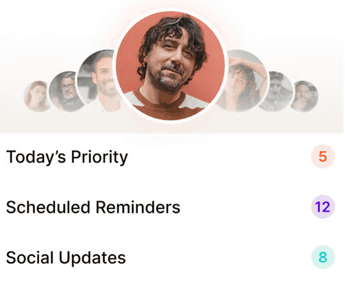
Open Regards. You will see a short list of contacts who are due for outreach, along with recent signals from their LinkedIn activity or other relevant context. This list is generated by the tool — you do not have to decide who to contact.
Pick two or three contacts from the list. Read the context. Send a message that references something specific — a job change, a post they wrote, something you know they care about. Keep it brief. You are not pitching. You are just there.
Close the loop on anything you said you would do. If you promised to send an article or make an introduction, do it now. Reliability is what turns casual contacts into genuine advocates.
Building the Habit: The First Four Weeks
Week one: set up your networking CRM with your top 50 contacts. Spend 30 minutes categorising them by relationship warmth and setting a touchpoint cadence for each tier. This is the only heavy-lift week.
Week two: start your daily five-minute routine. Open the app, send two messages, close one loop. Do not aim for more than this — the goal is to make the habit frictionless.
Week three and four: pay attention to what comes back. Replies. Conversations. Referrals that mention a recent touchpoint. This is your evidence that the system works — and evidence is what turns a new behaviour into a permanent habit.
Making the Habit Stick Long Term
Anchor your networking routine to something you already do. Some people do their five minutes with their morning coffee. Others do it on their commute. The trigger does not matter — the consistency does.
Review your networking activity monthly. Who have you been consistently reaching out to? Who has fallen through the cracks? Which relationships have warmed up? A 15-minute monthly review keeps your system calibrated and your motivation anchored to actual results.
The professionals who sustain a networking habit longest are the ones who genuinely enjoy it — not because they forced themselves to like it, but because the conversations got better, the relationships got warmer, and the referrals got more consistent. The habit pays for itself in a way that makes it easy to keep.

Why we built Regards
I’m bad at staying in touch. Not because I don’t value people. Its a lot of work, and I didn’t have a system. This started as my fix. A quiet assistant that helped me nurture relationships thoughtfully. When people noticed the difference and asked what I was doing, it slowly evolved into a product. And the love has been incredible. Regards, Khuze

Frequently Asked Questions
How many people should I reach out to per day in a networking habit?
Two to three is a sustainable daily number for most professionals. That is 10–15 touchpoints per week — enough to maintain a meaningful network of 100–150 contacts on a rolling cadence.
What if I run out of things to say to people?
A good networking CRM surfaces conversation starters automatically — LinkedIn activity, job changes, work anniversaries, shared interests. You should never be stuck on what to say if your tool is working correctly.
Is it better to message people on LinkedIn, email, or WhatsApp?
Use the channel they prefer, or where your previous conversation happened. For professional contacts, LinkedIn or email is usually appropriate. For warmer relationships, WhatsApp or a text can feel more personal and gets higher response rates.
How do I build a networking habit when I am genuinely busy?
Start with one minute, not five. Send one message on your morning commute. The habit only needs to be consistent, not comprehensive, to start with. Expand from there once the behaviour is established.
Will people think it is weird if I suddenly start reaching out after a long gap?
No. Most people are flattered when someone reconnects thoughtfully. Acknowledge the gap lightly and make the message about them. 'I saw you moved to a new role — how is that going?' is always welcome.