

Your next best client probably already knows someone you know. The question is not whether the introduction will happen — it is whether you will be the advisor they think of when it does. That comes down to one thing: consistent, human contact at the right moments.
Key Takeaways
|
The Relationship Problem That Kills Advisor Growth
Most advisors are genuinely good at the relationship when it matters most — onboarding, performance reviews, a market event that requires a call. The problem is everything in between. The 11 months of silence that makes clients feel like a file number. The missed birthday. The job change that went unacknowledged. These are the moments that quietly erode trust and referrals.
At 50 clients, you can manage this by memory. At 100, you cannot. A networking CRM does not replace the human warmth that makes great advisors great — it makes sure the warmth actually shows up on schedule.
How a Networking CRM Works in Practice for Advisors
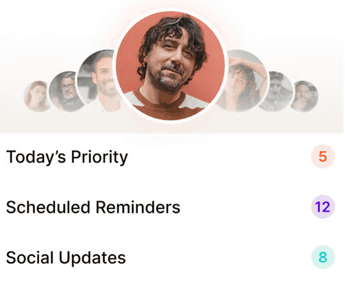
You keep a record of every meaningful detail about each client and contact — their family, their goals, what they care about beyond the portfolio, what you talked about last. When the tool surfaces them on your weekly list, you have context. You are not calling to check in; you are calling because you remembered something specific.
The tool also surfaces signal events — a LinkedIn post, a job change, a work anniversary — giving you a natural reason to reach out without it feeling manufactured. That is the difference between staying in touch and being a presence.
For referral conversations specifically: the tool helps you time the ask. Right after a positive portfolio conversation, right after a tax season win, right after you have delivered something tangible — these are the moments when asking for an introduction lands warmly rather than awkwardly.
Getting Started: A Practical Setup for Advisors
Start by identifying your top 30 clients and your top 20 referral relationships — people in complementary professions (accountants, lawyers, estate planners) who serve the same client profile. These 50 contacts are your core network to maintain systematically.
Set a touchpoint cadence for each tier: your most valuable clients, monthly contact; active referral partners, fortnightly; warm professional contacts, quarterly. Regards helps you build and maintain this cadence automatically, surfacing who is due for outreach each week.
The goal is never to be the advisor who calls only when there is a performance story to tell. It is to be the advisor your clients mention when a friend asks if they know anyone good.

Why we built Regards
I’m bad at staying in touch. Not because I don’t value people. Its a lot of work, and I didn’t have a system. This started as my fix. A quiet assistant that helped me nurture relationships thoughtfully. When people noticed the difference and asked what I was doing, it slowly evolved into a product. And the love has been incredible. Regards, Khuze

Frequently Asked Questions
Is a networking CRM compliant with financial services regulations?
A networking CRM tracks relationship context and outreach timing — it does not touch client financial data or recommendations. It sits outside your regulated workflows, so compliance requirements do not typically apply to the tool itself. Always confirm with your compliance team.
How is a networking CRM different from my existing client management system?
Your client management system tracks portfolios, transactions, and compliance. A networking CRM tracks the relationship layer — conversation context, follow-up reminders, referral sources, and personal details that deepen human connection. They complement each other.
How many contacts should I manage in a networking CRM as an advisor?
Start with your top 50 relationships: your best clients, your most active referral sources, and complementary professionals who serve your ideal client profile. Quality of engagement beats volume of contacts every time.
What is the most effective way to ask clients for referrals?
Ask immediately after delivering value — a good review call, a tax win, a resolved concern. Use specific language: not 'do you know anyone?' but 'do you know any business owners in your industry who are thinking about their retirement planning?' Specificity triggers names.