

Every business owner knows referrals are good. The conversion rates are better, the clients are better, the margins are better. Almost nobody argues that referrals are not valuable. And yet most businesses have no system for generating them — relying instead on hoping that satisfied clients happen to mention their name at the right moment. That gap between knowing and doing is where growth gets left on the table.
Key Takeaways
|
The Referral Advantage: What the Data Actually Shows
Referred clients convert at 10–40% depending on the strength of the referring relationship and the specificity of the ask. Cold leads convert at 1–3%. That is not a marginal difference — it is a structural advantage that changes the economics of your entire business if you build a system around it.
Referred clients also close faster. Where a cold lead might require four to eight touchpoints before converting, a referred client often converts in one or two conversations — because the trust transferred from the referrer means you are not starting from zero.
Beyond conversion: referred clients pay higher prices (less negotiation on value), stay longer (lower churn), and refer more in turn (compounding). Referrals are not just a lead source — they are the highest-quality client acquisition channel most professional services businesses will ever have.
Why Most Businesses Leave Referrals to Chance
The most common reason is that referral generation feels less controllable than paid acquisition. You can turn on an ad and predict, roughly, how many leads it will produce. You cannot turn on a referral tap the same way — or so most people believe.
The truth is that referrals are highly predictable when you build a system around them. The professionals who generate the most referrals are not lucky — they are systematic. They stay in consistent contact with their network. They position themselves clearly so contacts know exactly who to refer them to. They ask at the right moments, specifically and confidently.
The perceived unpredictability of referrals is a symptom of the absence of a system, not a characteristic of the channel. Build the system and referrals become predictable.
Building a Referral System: The Core Elements
The referral system has three pillars. First: being referable. Make it easy for contacts to describe what you do and who you do it for. Specialists get referred more than generalists because the referrer knows exactly when to think of them. One clear sentence about your work — your 'referral hook' — is the foundation.
Second: staying present. Referrals happen when you are top of mind at the moment the opportunity arises. The contact who met you at a conference 18 months ago and has not heard from you since will not think of you. The one who received a relevant article last month will. Consistent touchpoints are the mechanism of top-of-mind awareness.
Third: asking well. At the right moment, with specificity, and from a position of value — not desperation. The VIPS framework (Value check, Importance framing, Permission to brainstorm, Specific ask) turns an uncomfortable conversation into a natural one.
Making It Systematic With the Right Tool
A referral system without a tool to maintain it deteriorates into good intentions. The relationship maintenance component — consistent touchpoints across 50–200 contacts — is impossible to sustain manually at scale. You need a system that surfaces who to reach out to, when, and with what context.
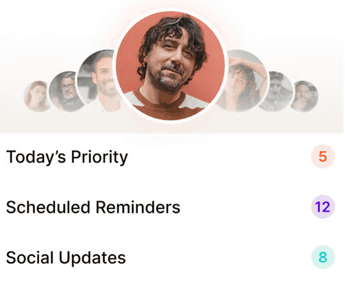
Regards is designed specifically for this. It tells you who is due for outreach each week, surfaces conversation starters from their LinkedIn activity and life events, and helps you build the consistent contact that makes referrals predictable. It is the infrastructure beneath the relationship.
The Regards Referrals Playbook goes deeper into the full system — network segmentation, touchpoint types, referral ask frameworks, and the 52-week contact plan that turns occasional luck into consistent pipeline. Download it for free at regardsapp.ai.

Why we built Regards
I’m bad at staying in touch. Not because I don’t value people. Its a lot of work, and I didn’t have a system. This started as my fix. A quiet assistant that helped me nurture relationships thoughtfully. When people noticed the difference and asked what I was doing, it slowly evolved into a product. And the love has been incredible. Regards, Khuze

Frequently Asked Questions
How do I start getting more referrals if I have a small network?
Start by deepening the relationships you have. A small, warm network that you maintain well will outperform a large cold one every time. As you deepen existing relationships and ask specifically for introductions, your network grows organically.
Do I need to offer incentives for referrals?
For most professional services businesses, relationship-based referrals outperform incentivised ones. A referrer who sends you business because they trust you and want to help their contact is a more durable source than one motivated by a finder's fee.
How long does it take to build a referral engine?
With consistent effort, the first results typically appear within 60–90 days: reactivated relationships, introductions from consistent touchpoints, referrals from contacts who appreciate the renewed attention. The compounding effect builds over 12–24 months.
What is the single most important thing I can do to get more referrals?
Stay in consistent, personalised contact with your best referral sources. The majority of referral growth comes from a small number of well-maintained relationships. Identify your top 10–15 potential referral sources and reach out to each of them at least monthly.
How do I measure my referral rate?
Track acquisition source for every new client or opportunity. Over time, calculate the percentage of new business that came from referrals versus other channels. A healthy professional services business typically sees 40–70% of new business from referrals.