
The struggles of freelancers, early-stage startups, and small agencies are very real. With limited money, bandwidth, and resources, every tool they invest in needs to be carefully chosen.
That said, if there’s one area that, when handled well, makes many other things fall into place, it’s customer management. Well-managed customer relationships act like a breather for freelancers and small agencies, fostering retention and opening doors to sustainable growth.
But here’s the catch: choosing a CRM on a limited budget that truly fits small business needs isn’t straightforward. This blog looks at that exact problem and outlines CRM options for budget-conscious small businesses.
Key Takeaways:
|
|---|
Best relationship management software options for freelancers and small agencies
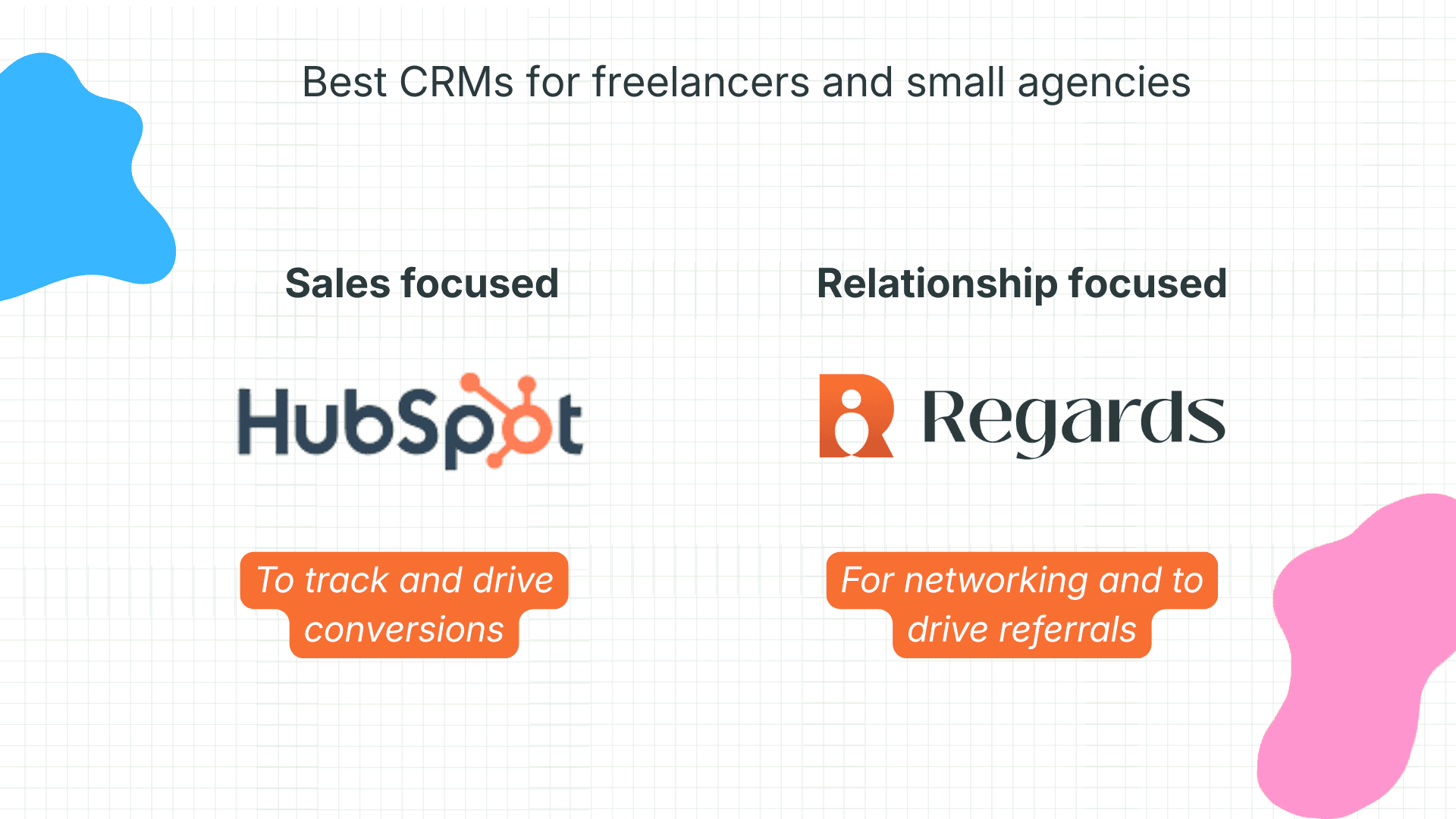
Before looking at specific tools, it helps to step back and understand the core CRM categories based on the purpose they serve:
Sales-focused CRMs are built around pipelines and deals and work best for sales-led, conversion-driven businesses.
Relationship-focused CRMs are centered on organic relationship nurturing and fit referral-led and trust-based businesses.
Customer support CRMs are designed to focus on tickets, issue resolution, and prompt responses, working best for B2C businesses.
All-in-one CRMs cover everything from sales to support and fit best for businesses that need multiple functions in one system.
Four key criteria to evaluate CRM options for freelancers and small agencies
Easy maintenance effort: If a CRM requires constant updates to stay functional, freelancers and small agencies won’t be able to afford that effort.
Relationship context: As personalized connections matter a lot for small businesses, the CRM they choose should support contextual nurturing.
Budget: In the early growth stage, it’s crucial to make a budget-conscious CRM choice without overlooking hidden factors like setup and training costs.
Core goals: The CRM should clearly serve the business’s primary objective, and that alignment will shape the future of customer relationships.
Top picks: Best relationship management software for freelancers and small agencies
#1 HubSpot (Sales-focused CRM)
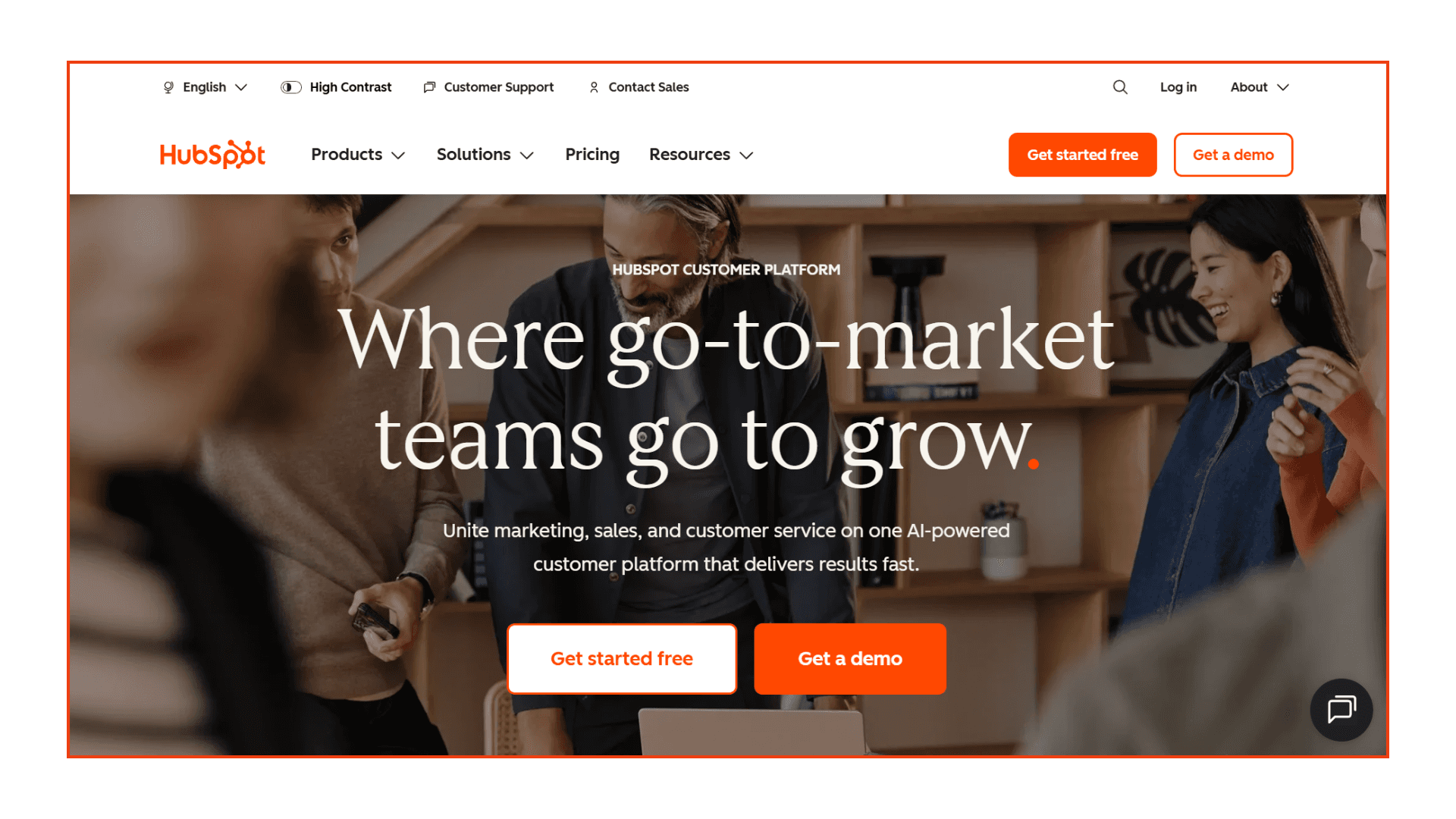
HubSpot is widely recognized for being an accessible entry point into the CRM world. It helps small businesses move away from scattered spreadsheets and tricky follow-ups.
Top features include:
Contacts, deals, tasks and activities
Pipeline management
Reporting dashboard
It works best for small businesses with clear pipelines and deal flow, with its generous free plan being the biggest draw.
#2 Regards (Relationship-first CRM)
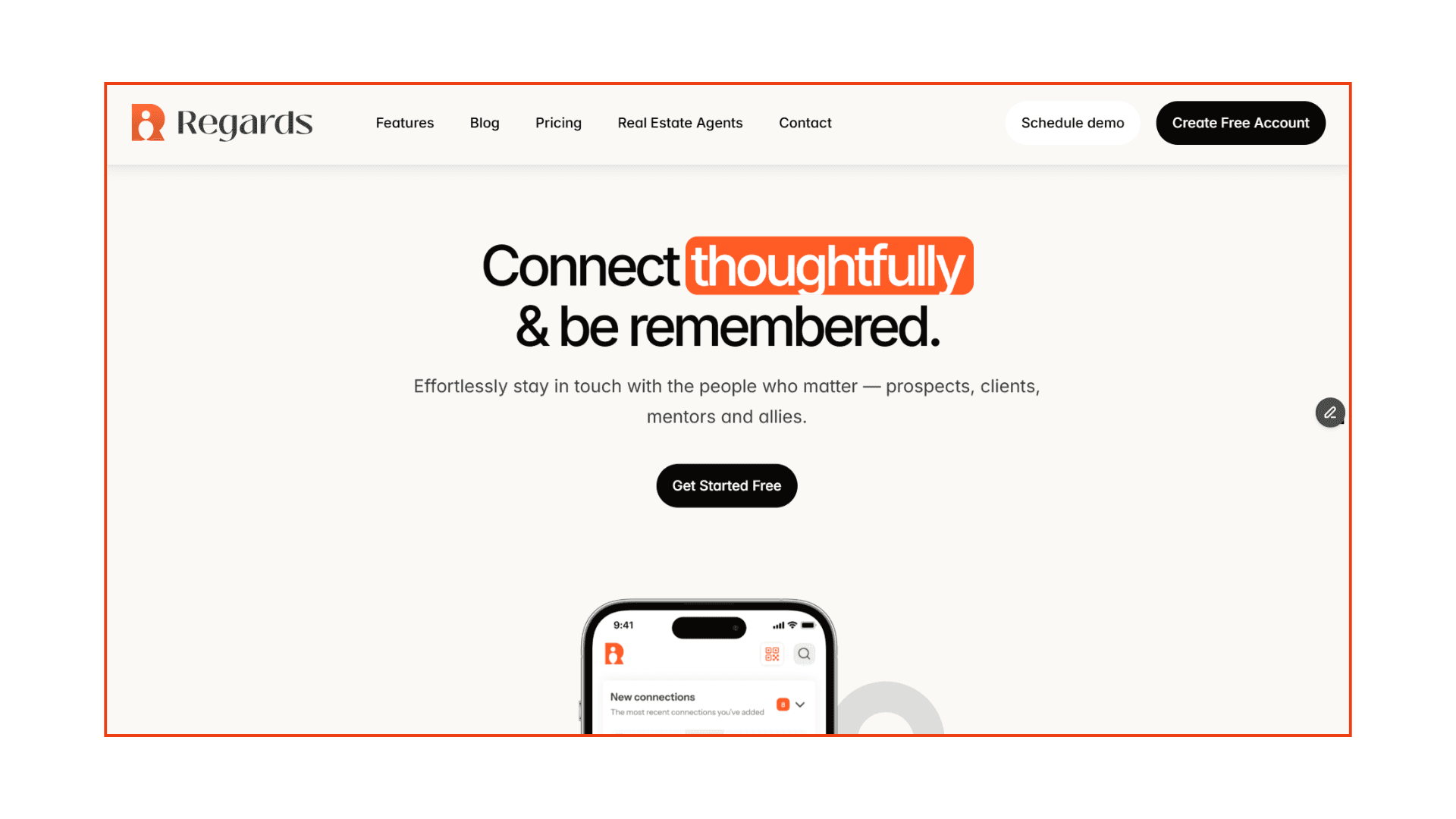
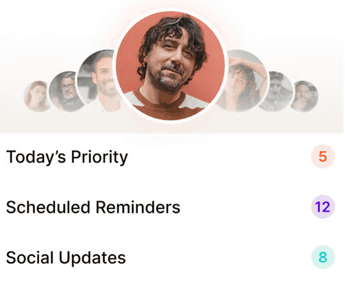
Regards is built for growing business relationships through trust and staying top-of-mind. It helps small businesses build a simple daily habit of staying connected with the people who actually matter.
What makes it a good fit for small businesses:
No setup or heavy data entry
Gentle prompts on who to reach out to
Mobile-first and easy to use
Remembers relationship context without CRM busywork
Regards works best when growth depends on long-term relationships and consistent human touchpoints. It isn’t meant for complex sales processes, and that’s exactly what keeps it light, usable, and easy to stick with every day.
#3 Pipedrive (Sales-focused CRM)
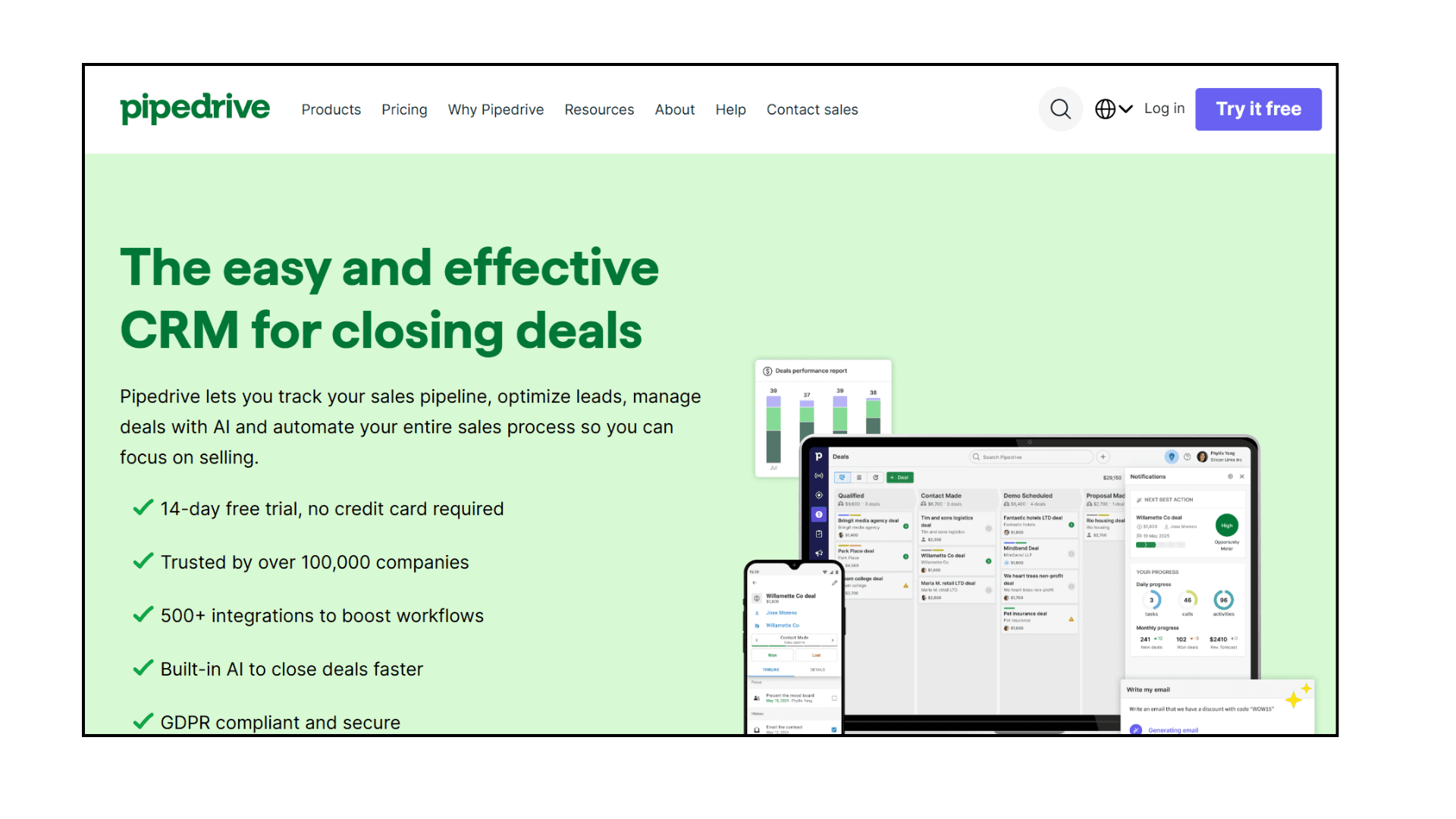
Pipedrive is built to simplify customer management for small teams by offering a clean, visual sales pipeline that keeps everything in one place.
Other notable features include:
Deal revenue forecast
Team filters and goals
Customizable pipelines
It works best for agencies with clearly defined sales workflows, but it doesn’t offer a forever-free plan.
#4 Nimble (Relationship-focused CRM)
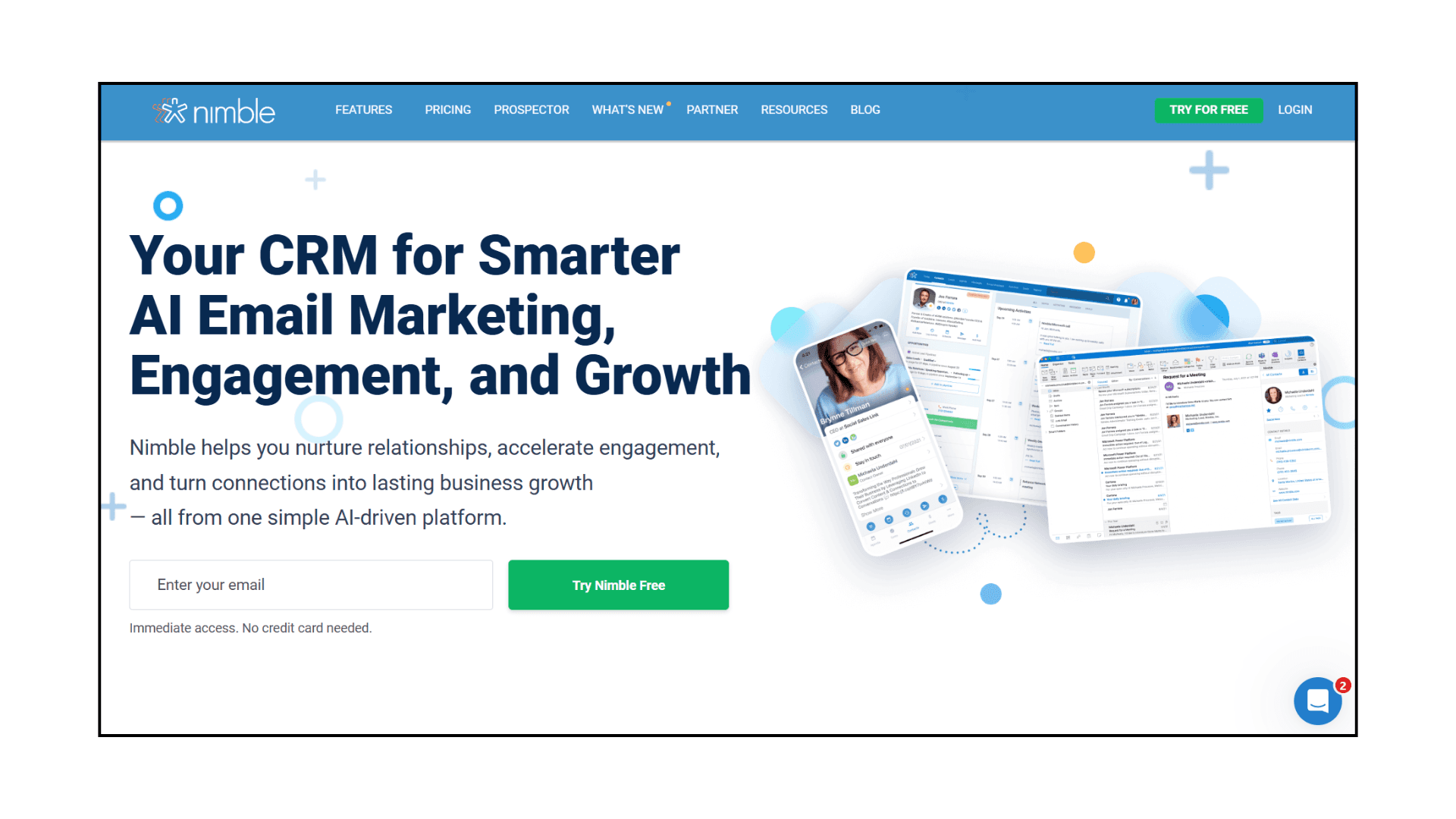
Nimble focuses on nurturing relationships and building lasting connections, making it a natural fit for small businesses getting started from scratch.
Its best features are:
Relationship management
AI prospecting
Email automation and web forms
For small businesses, Nimble’s reporting and integration capabilities remain fairly basic, making it best suited for solopreneurs who don’t use third-party tools.
#5 Salesforce (Sales-focused, enterprise-grade CRM)
At a surface level, Salesforce offers everything a small agency might look for, from contact management to reporting. However, it demands setup, configuration, and ongoing maintenance to be effective.
Salesforce benefits for small businesses:
Two affordable suites designed for small businesses
Easy scalability from a single user to managing 10,000 contacts
Trailhead, an in-built learning platform for small agencies
Salesforce is best suited for small businesses that are preparing to scale rapidly.
#6 Zoho CRM (Sales-focused with broad capabilities)
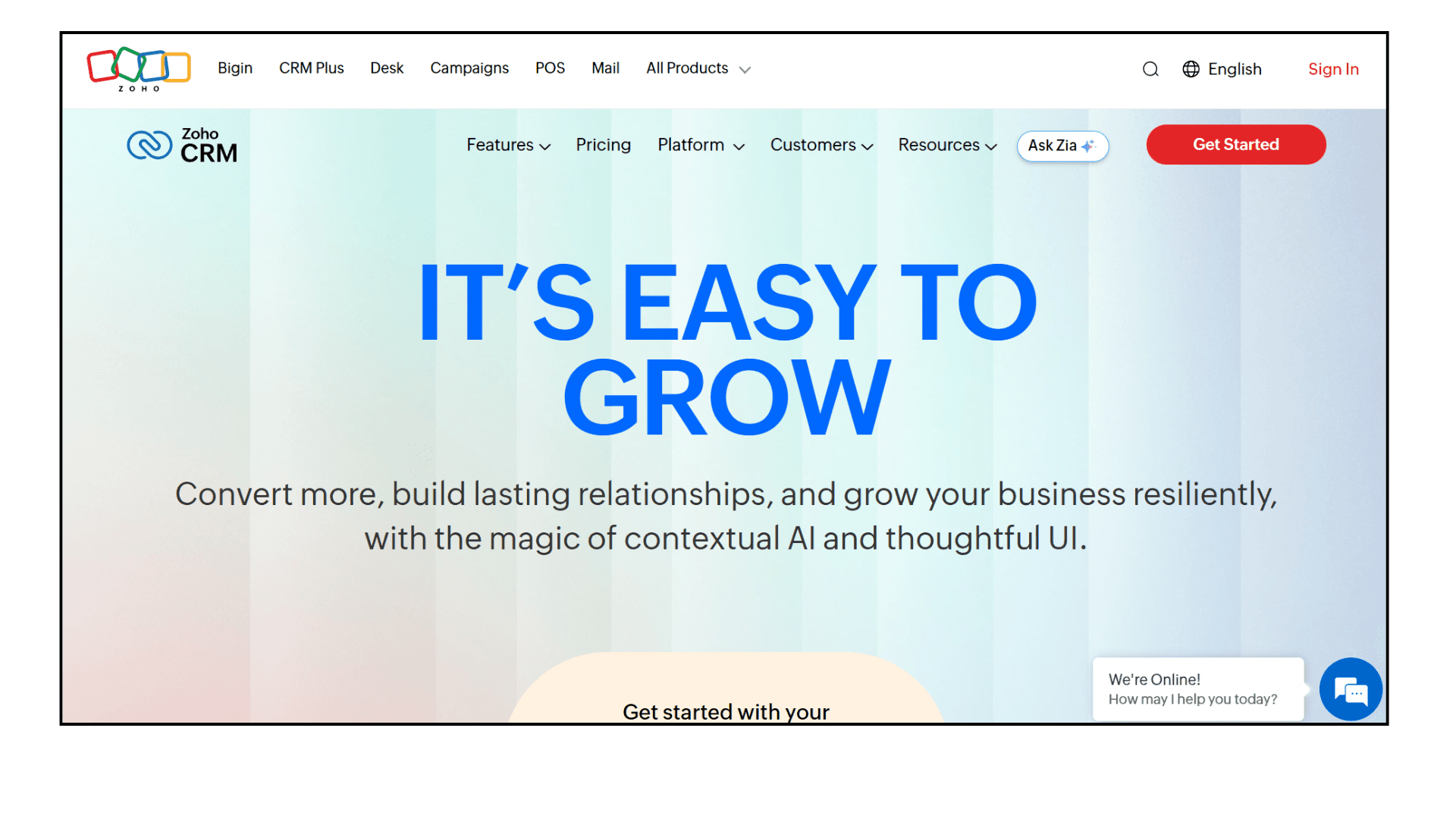
Zoho CRM is often considered for its pricing advantage and broad ecosystem. Its integration with email, accounting, and support makes it a go-to all-in-one solution for small businesses.
Top features include:
Best-in-class integrations
Extended marketplace
Top-notch security
Some essential features are locked behind costly upgrades, but it still works well for growing small businesses.
#7 Folk (Relationship-focused CRM)
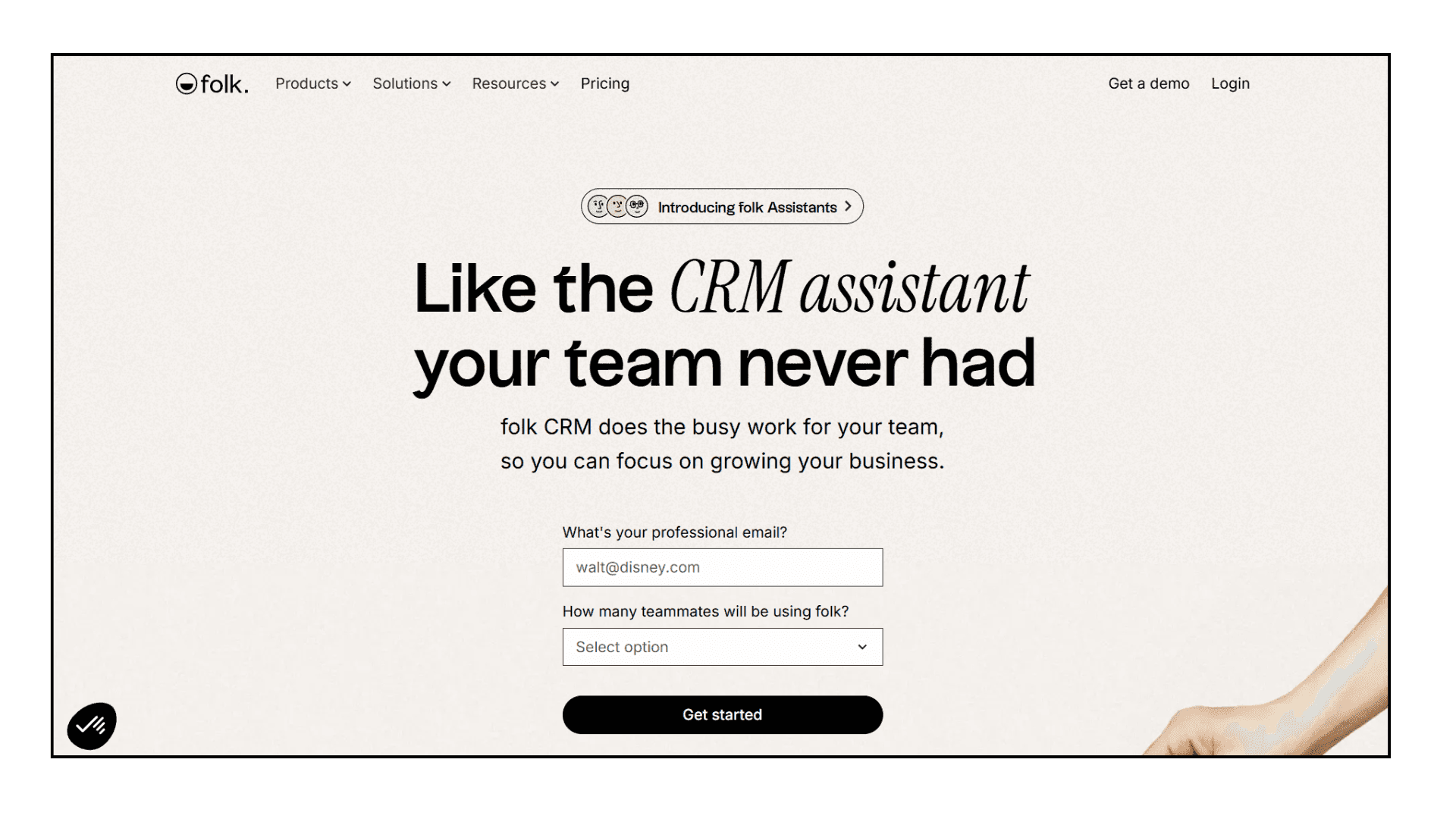
Folk is a modern CRM designed to build real relationships through personalized outreach. For freelancers and small agencies, it removes much of the traditional CRM complexity.
Its benefits include:
No complex onboarding
Lightweight, user-friendly interface
Contact importing within minutes
Folk works best for freelancers and small teams that grow through relationship nurturing. However, it does not offer deep automation or advanced reporting out of the box.
Quick checklist to choose the right relationship management software for small businesses
Easy interface
Mobile-friendly
Free trial
Personalized outreach
Context memory
Low maintenance
Foolproof tracking
No-pressure follow-ups
360-degree overview
Long-term relationship focus
Conclusion
Choosing the right relationship management software comes down less to feature lists and more to fit. For freelancers and small agencies, a CRM should feel simple and supportive. Otherwise, it can end up feeling harder than not using a CRM at all.

Why we built Regards
I’m bad at staying in touch. Not because I don’t value people. Its a lot of work, and I didn’t have a system. This started as my fix. A quiet assistant that helped me nurture relationships thoughtfully. When people noticed the difference and asked what I was doing, it slowly evolved into a product. And the love has been incredible. Regards, Khuze

Frequently Asked Questions
For freelancers and small agencies, which CRM approach fits better: sales-focused or relationship-focused?
Relationship-focused CRMs usually fit freelancers and small agencies better. Their growth often comes from referrals and repeat clients, rather than constant deal movement. A relationship-first tool supports this more naturally than a sales-focused CRM.
What should small businesses actually look for when choosing relationship management software?
Key features to look for include a simple and clutter-free interface, low maintenance requirements, the ability to remember people and context, a system for pressure-free follow-ups, and smooth integration with your daily tools.
What are the most common mistakes freelancers and small agencies make while picking a CRM?
Most small businesses often prioritize fancy features over their actual goals, value design aesthetics over essential functions, and focus too much on sales tools while neglecting relationship-nurturing capabilities.
Can freelancers and small businesses run without a CRM?
Yes, technically they can. But they don’t have to. There’s no reason to struggle unnecessarily when technology can help. A CRM becomes especially useful as contacts grow and conversations spread over time.