

Here is an uncomfortable truth about referrals: most of them go to someone else. Not because you are less good than that person. Because they stayed in touch and you did not. Referrals are a function of being remembered at the right moment — and that is a system problem, not a talent problem.
Key Takeaways
|
Why Referrals Are a Top-of-Mind Problem
When someone in your network gets asked 'do you know a good [insert what you do]?' they do not think through their entire contact list systematically. They think of whoever surfaced most recently or most memorably. If your last touchpoint with them was 18 months ago, you are not in the running.
This is why the professional with the fuller calendar is not always the more talented one. It is often the one who sent a relevant article last month, commented thoughtfully on a post last week, and had coffee with that person three months ago. They are not more skilled. They are more present.
A networking CRM is a top-of-mind infrastructure. It ensures you show up consistently in people's lives, so that when the referral moment comes, you are already there.
The Touchpoint Types That Build Referral Intent
Not all touchpoints are equal. The ones that build genuine referral intent are specific, personal, and about the other person rather than you. A message that says 'Saw your firm launched a new service — looks like a great move' does more than a newsletter or a LinkedIn like.
Signal-based touchpoints — responding to a job change, a business milestone, a relevant post — are particularly effective because they feel timely rather than scheduled. A networking CRM surfaces these signals so you can act on them within 24–48 hours, when they matter.
Value-add touchpoints are the second highest-converting type: sharing something genuinely useful — an article, an introduction, a piece of market intel — with a note explaining specifically why you thought of them. This reinforces your expertise and your attentiveness simultaneously.
How to Use Your CRM to Generate Referrals Systematically
Build a tiered list of your referral network: your best referral sources (most active, highest quality), your potential referral sources (warm contacts who could but have not yet), and your professional ecosystem (complementary service providers who serve your ideal client).
Set contact cadences based on tier. Your best referral sources should hear from you at least once a month, even briefly. Potential sources quarterly. Professional ecosystem contacts every 6–8 weeks.
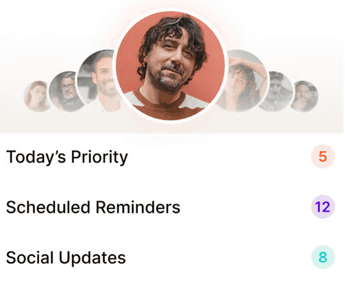
Regards automates the surfacing — you see who is due each week, with context about what they have been up to. You handle the actual conversation. Over time, consistent touchpoints build the warm, present relationship that makes referrals the default when someone thinks of what you do.
Making It Easy for People to Refer You
Being referrable is as important as staying in touch. Your contacts need to be able to describe what you do and who you do it for in one sentence. If that sentence is fuzzy, they will not confidently pass your name along.
Every touchpoint is an opportunity to reinforce your positioning without making it feel like a pitch. Sharing a case study, mentioning a client outcome in conversation, or being specific about who you work best with all help your contacts build a clear mental picture of when to think of you.
The goal is not to ask for referrals. The goal is to be so consistently present and clearly positioned that referrals feel natural for your network to give.

Why we built Regards
I’m bad at staying in touch. Not because I don’t value people. Its a lot of work, and I didn’t have a system. This started as my fix. A quiet assistant that helped me nurture relationships thoughtfully. When people noticed the difference and asked what I was doing, it slowly evolved into a product. And the love has been incredible. Regards, Khuze

Frequently Asked Questions
How often should I reach out to my referral network?
Your best referral sources should hear from you monthly. Warm contacts quarterly. The key is consistency over intensity — a brief, genuine message every month is worth more than a detailed check-in once a year.
What is the most effective type of touchpoint for generating referrals?
Signal-based touchpoints — responding to a specific event in their life or business — consistently outperform generic check-ins. They feel timely and personal, which is exactly what earns referral goodwill.
Should I ask for referrals directly?
Yes, but timing matters. The best moment is immediately after delivering value — a project completion, a positive client conversation, a resolved challenge. Ask specifically, not generically: 'Do you know any founders in fintech who are thinking about their compliance structure?' Vague asks get vague results.
How do I get referrals from complementary professionals (accountants, lawyers, etc.)?
Refer business to them first. Give before you ask. Reciprocity is a powerful driver of referrals. When you have established a give-first relationship, asking for introductions feels like a natural conversation rather than a transaction.
Can a networking CRM actually help increase referrals or is that too indirect?
The research is consistent: professionals who maintain systematic contact with their networks generate significantly more referrals. A networking CRM makes that consistency possible at scale. The tool does not generate the referrals — but it creates the conditions for them reliably.