
A timely message on a job change converts to a meeting more often than almost any other type of outreach. Not because the message is better — because the timing is. The person is in transition, open to conversations, and typically appreciating the people who noticed. Are you catching these moments? Or are you seeing the notification three weeks later when the window has closed?
Key Takeaways
|
Why Trigger Events Are Your Best Relationship Opportunities
Relationship triggers — job changes, promotions, company announcements, work anniversaries, birthdays — are moments of elevated emotional openness. The person has something happening in their life or career. They are thinking about their network. They are receptive to messages from people who acknowledge what is going on.
A message sent within 24–48 hours of a trigger event lands differently than the same message sent a month later. The timing signals attentiveness. It says: I noticed, and I thought of you. That is exactly the kind of presence that builds the relationship depth that generates referrals.
The problem for most professionals is that they see these signals too late or not at all. LinkedIn notifications get buried. News alerts go unread. The job change you meant to acknowledge slipped by while you were heads-down on a client project. Automation solves the detection problem so your response can remain human.
The Most Valuable Trigger Events to Track
Job changes are the highest-conversion trigger for professional outreach. When someone moves to a new role, they are actively rebuilding their network, open to new relationships, and appreciative of people who acknowledge the transition. Your message arrives at exactly the right moment.
Business milestones — funding rounds, new offices, product launches, awards — are high-visibility public events that make outreach natural and specific. A congratulatory message tied to a specific achievement feels personalised even if you heard about it through an alert.
Personal milestones — birthdays, work anniversaries — are lower stakes but cumulatively powerful. Someone who receives a personalised birthday message from you every year, or a work anniversary note that references something specific about their career, experiences you as someone who genuinely pays attention. That impression is what creates referral intent.
Setting Up Trigger-Based Automation in Your CRM
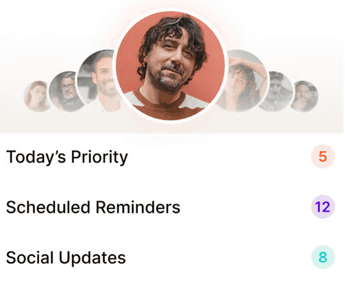
The most effective setup combines platform signals with CRM prompts. Regards monitors LinkedIn activity for your contacts and surfaces job changes, promotions, and notable posts as actionable prompts in your daily outreach list. You do not need to check LinkedIn manually — the relevant signals come to you.
For birthday and anniversary tracking: add these dates to your contact records and set reminder cadences. Most good personal CRMs will surface these automatically on the relevant date. A brief, genuinely warm message — not a templated blast — is all it takes.
The key configuration principle: surface signals for the contacts who matter, not everyone. Your top 100 relationships should generate alerts for meaningful trigger events. Your broader network generates alerts for bigger events only. This prevents alert fatigue while ensuring you catch the moments that matter.
What to Say When a Trigger Fires
The message after a trigger event has one job: make it specific and make it about them. Not 'congrats on the new role!' but 'Saw you moved to [Company] as [Title] — that sounds like a great next step given the work you were doing at [Previous Company]. How is the transition going?'
Specificity signals that you actually read the notification, thought about them as a person, and responded with intent. Generic congratulations are barely better than not reaching out at all. Specific, personal acknowledgements are relationship investments.
Close with an easy next step if appropriate — an offer to catch up, a relevant resource, a connection that might help them in the new role. The trigger gives you the reason to reach out; the message should give them a reason to reply.

Why we built Regards
I’m bad at staying in touch. Not because I don’t value people. Its a lot of work, and I didn’t have a system. This started as my fix. A quiet assistant that helped me nurture relationships thoughtfully. When people noticed the difference and asked what I was doing, it slowly evolved into a product. And the love has been incredible. Regards, Khuze
Frequently Asked Questions
How do I make sure I do not miss job change notifications for my key contacts?
Use a personal CRM like Regards that monitors LinkedIn signals for your contacts automatically. Manual LinkedIn checking is unreliable — you need a system that surfaces the signal to you, not one that requires you to go looking for it.
Is it appropriate to reach out to someone I have not spoken to in over a year when they change jobs?
Yes — a job change is one of the best moments to re-engage a dormant relationship. Acknowledge the transition specifically and make the message clearly about them. Most people appreciate hearing from someone who noticed, even if it has been a while.
How personal should a birthday message be?
More personal than 'Happy Birthday!' and less personal than a letter. A brief, warm message that references something specific about them or what they are working on makes the gesture feel remembered rather than automated. One sentence of context makes a big difference.
What is the optimal window for responding to a trigger event?
Within 24–48 hours for job changes and business milestones. The window closes as the news becomes old and others have already reached out. For birthdays, the day itself is ideal — a few days early or on the day beats belated by a significant margin.
Should I use the same message template for everyone?
No. The trigger gives you the reason; the message needs to be specific to the person. Templates save zero time if they require the personalisation that makes them valuable anyway — and they are obvious when they do not.